







Role of Nutrition in Neurological Recovery: Expert Tips from Jamshedpur Doctors
Neurological recovery extends beyond medicines. A key player that has been widely recognized, yet not considered until the recent past, involves nutrition. Nutrition greatly improves the recovery process for the brain’s healing. Leading specialists within the Jamshedpur region agree on the fact that food can greatly help the recovery process, especially with respect to stroke, traumatic brain injury, epilepsy, neuropathy, and neurodegenerative disorders, among many other neurological impairments.
As cited by the experts from Neurocentre under the guidance of Dr. M.N. Singh, nutrition constitutes an often underrated aspect of neuro care but is undoubtedly potent.
Why Nutrition Matters in Neurological Recovery
The consumption of 20% of the total body’s energy, the brain is quite sensitive to nutrient deficiencies. The body needs specific nutrients to repair the brain cells, reduce pain, and regulate the neurotransmitters, as required, post-damage to the nervous system.
Less than optimal nutrition can cause a slower rate of recovery, more severe illness, and complications. Doctors at Best Neurology Hospital in Jamshedpur – Neurocentre emphasize that a well-nourishing meal can make a tremendous difference in boosting your brain plasticity, bettering your cognition, and regulating your mood.

Essential Nutrients for Brain and Nerve Healing
1. Protein for Tissue Repair
Proteins are a primary means of constructing cells in the body. Proteins are essential in repairing damaged nerves in the body. Some of these protein-carrying foods include eggs, lentils, milk, fish, and meat.
2. Omega-3 Fatty Acids for Brain Function
Also, omega-3 fatty acids have been known to have an anti-inflammatory impact on health, as well as helping to encourage brain tissue to develop. Omega 3 fatty acids may be obtained in walnuts, flax seeds, chia seeds, and fatty fish. It must also be noted that the specialists at Neurocentre often suggest that the patient in question needs to have their diet altered.
3. B-Complex Vitamins and Nerves
Vitamins B1, B6, and B12 help significantly in the regeneration of nerves. Absence of the vitamins may lead to problems like weakness or even forgetfulness. Whole grains, green leafy vegetables, dairy products, and legumes are good sources.
4. Antioxidants to Reduce Brain Inflammation
Fresh fruits like berries, vegetables like spinach and tomatoes, along with carrots high in antioxidants, provide support to brain cells and promote brain cell healing.
Nutrition After Stroke and Brain Injury
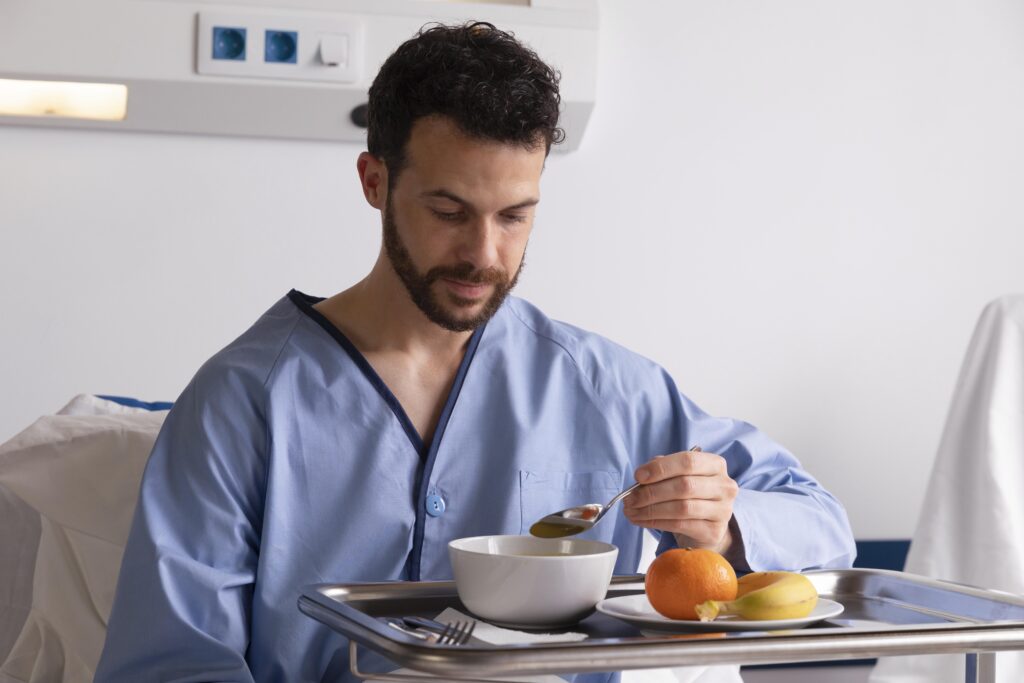
In addition, post-stroke patients and victims of traumatic injuries experience difficulties in the form of trouble in swallowing, fatigue, or decreased hunger. Accordingly, the diet is individually planned based on specific needs.
- Expert opinions from a top-rated medical facility, Best Neurologist in Jharkhand
- Food appropriate for patients with swallowing issues
- semisolid food
- Small meals frequently to retain energy
- Proper hydration to prevent confusion and tiredness
- Controlled salt and sugar levels for managing BP and Diabetes
Neurocentre, under the tutelage of Dr M.N. Singh, combines nutritional therapy with medical treatment in the patient’s recovery path.
Role of Diet in Managing Chronic Neurological Conditions
In the same manner, the role of nutrition should also come into play for the management of conditions such as epilepsy, Parkinson’s disease, migraines, and neuropathy.
Epilepsy: A well-balanced diet, along with a ketogenic diet, can help cure the occurrence of epilepsy or seizures.
Parkinson’s Disease: The importance of the digestive system cannot be overstated. High-fiber
Neuropathy: A diet rich in vitamins may help relieve symptoms of pain or numbness that may prompt neuropathy. This is a condition
Doctors like the one considered the Top Neurologist in the region of Jharkhand explain that dietary management, however, should always be done under the supervision of a neurologist, since interactions can otherwise occur.
Expert Care at Neurocentre, Jamshedpur
Neurocentre gained recognition as the ‘Best Neurology Hospital in Jamshedpur’ by providing integrated neurological care in the most advanced diagnostics, customized treatment, rehabilitation, and nutrition counselling.
The centre, established under the aegis of Dr M.N. Singh, works on:
- Tailor-made dietary planning according to each patient’s particular needs.
- Neurological long-term health
- Continuous recovery progress monitoring
- Patient and carer education
His vast experience and patient-oriented practice have made Dr. Singh one of the best neurologists in Jharkhand.
Practical Nutrition Tips from Jamshedpur Neurologists
Avoiding processed and junk foods is also a must, as they can cause inflammation.
- Maintain consistent meal timings
- Seasonal Fruits & Vegetables
- Monitoring vitamin levels regularly
- Only follow supplements recommended by a doctor
Conclusion
This cannot be accomplished solely on the basis of medication. Good nutrition represents the ignition that will spark the process of healing the brain and the nerves. This could greatly boost the quality of the recovery process. Patients are being provided the appropriate care facilities by the expertise of the renowned neurologist Dr. M.N. Singh of Neurocentre in the eastern Indian city of Jamshedpur.
Thus, as stated earlier, it is essential to note that, while seeking the Best Neurologist in Jharkhand or the Best Neurology Hospital in Jamshedpur, it is essential to feed the brain first.